

One of the most thought-provoking things that I read over the past week was John Durrant’s notes on the book Mastery, by George Leonard (thanks to Johnnie Moore for the link). Worth reading the whole thing of course but they were so good that I wanted to capture some of the more interesting take outs here.
If mastery is defined as a continual and focused pursuit of knowledge or developing a skill, then we should think of it as a process rather than a destination. We may begin the journey with some missteps or struggle to join different lessons together in the early stages. We may have to think more deliberately or carefully which can be frustrating. But there are few short cuts. I liked this thought:
‘Every time we progress to the next stage we encounter setbacks, where we have to consciously think about what we are doing. Which causes things to temporarily fall apart.’
The journey towards mastery is an incremental one. It is through that progression that we start to become more spontaneous or graceful with the way that we practice and improve. And it is through this that we learn as much about ourselves as we do about the subject we are looking to master. In this way it is both demanding and unforgiving whilst also being rewarding.
I also really liked the point about ‘loving the plateau’. The journey to mastery is unlikely to happen evenly. We have bursts of improvement interspersed with plateaus, where we may feel that we are not progressing or improving as much as we would like. Goals are important of course, but we shouldn’t let goal orientation get in the way of enjoying practice for it’s own sake. We’re never taught about how to enjoy the plateau, the process of exercising the knowledge and skills that we have gained. So we should be careful about seeing mastery only as a means to get something. Rather it is part of life itself. Mastery is something we should enjoy for its own sake. The Chinese word ‘tao’, and the Japanese word ‘do’ can translate as the path, the road, or the way: ‘Practice is the path upon which you travel’.

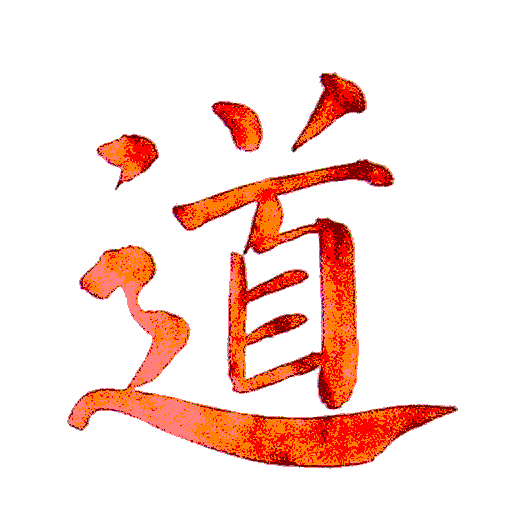
I loved the thought about how the goals and contingencies that we have exist in our minds in the past and the future (goals we’ve missed or not attained, those we have yet to achieve). Yet ‘practice, on the path of mastery, exists only in the present…to love the plateau is to love the eternal now’.
While mastery involves being comfortable with practice and incremental steps forwards, it also means getting comfortable with challenging yourself, exceeding your previous limits and exploring the edge of your capabilities.
As I was reflecting on all this, I was thinking about what mastery means to me. We can think of mastery as learning a specific skill (a few years ago I tried to get the hang of the violin when my daughter was learning so that we could play together) or we can also think of mastery as becoming good at what we do for a living, which probably involves focusing on a number of different skills. This second version of mastery is probably what resonates with me more right now.
I also reflected on how restless I sometimes feel if I think that I’m not moving forwards, and maybe I should be happier with taking joy from practice. And I also thought about exploring the edge of my capabilities. If I think about the times when I’ve learned the most, or that have been the most meaningful in shaping where I am now, its typically been when I’ve been at the edge of what I know. Whilst not being the most comfortable place to be, this has typically led me towards progress and, I suppose, helped me take steps forwards in my own journey towards mastery.
Drop your email into the box below for posts to be delivered straight to your inbox
Photo by Motoki Tonn on Unsplash
Leave a Reply